

The Adams Power Plant Transformer House is a surviving remnant of Niagara Falls’ early hydroelectric industry, in Niagara Falls, New York, near Buffalo Avenue and Portage Road. Its limestone walls and connection to the plant’s first power delivery in 1895 make it a useful starting point for understanding how the region’s natural power shaped its history.
- Location: 1501 Buffalo Avenue, near Portage Road.
- Surviving structure: The only remaining building of the Adams Power Plant.
- From the hotel: Allow about 9 minutes by car to reach the Transformer House from Aarya Hotel By Niagara Fashion Outlets rooms.
- Nearby context: The Schoellkopf Power Station site and Niagara Falls Underground Railroad Heritage Center offer other perspectives on the region’s past.
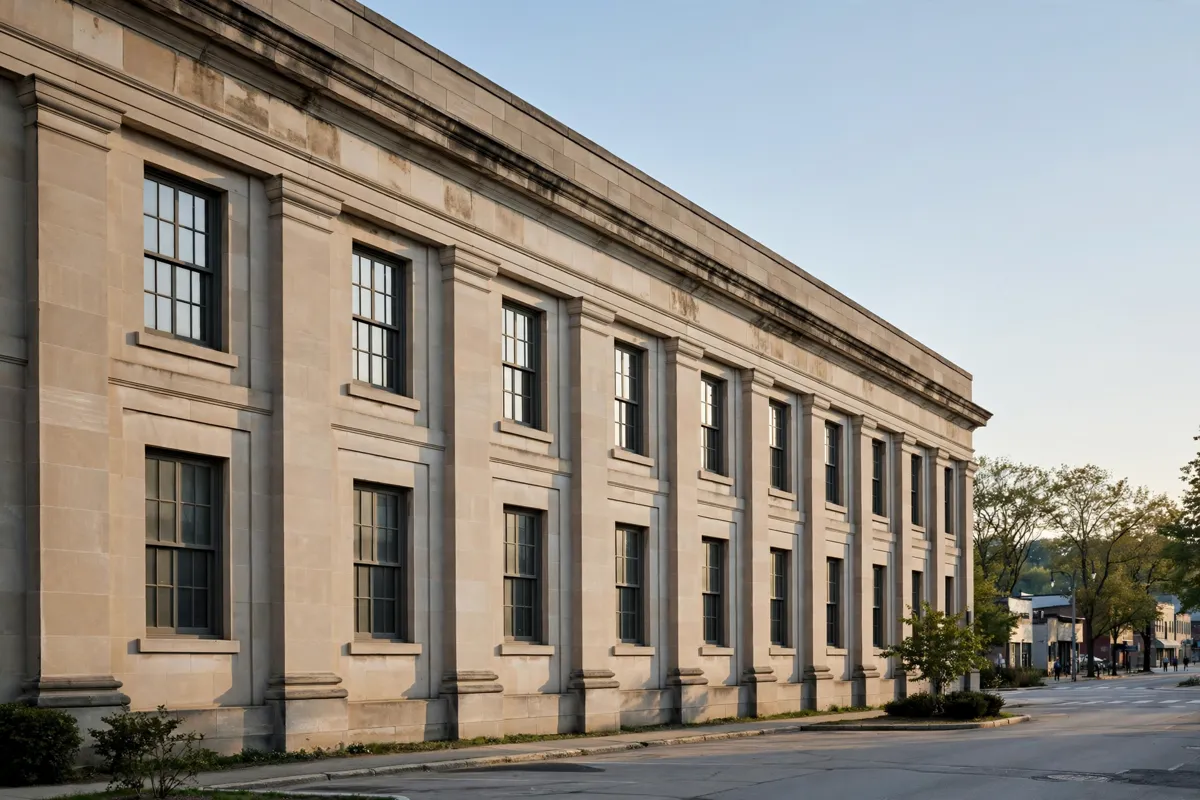
Why the Adams Power Plant mattered
The Adams Power Plant helped turn Niagara Falls’ water power into electricity for industry. Power House 1 and the northeast half of the Transformer House were completed in 1895, and the plant first delivered power to the Pittsburgh Reduction Company on August 26 that year.
The National Register nomination connects the project with McKim, Mead & White and Cataract Construction Co. The Transformer House was enlarged around 1899–1900, following authorization of an addition in 1899. Together, these milestones place the building within the early development of large-scale power generation at Niagara Falls.
The plant later shifted to standby service in the early 1920s and closed in 1961. In 1965, its two power houses were demolished and the canal was filled. The Transformer House survived that clearance, leaving a tangible link to the power system that once occupied the site.
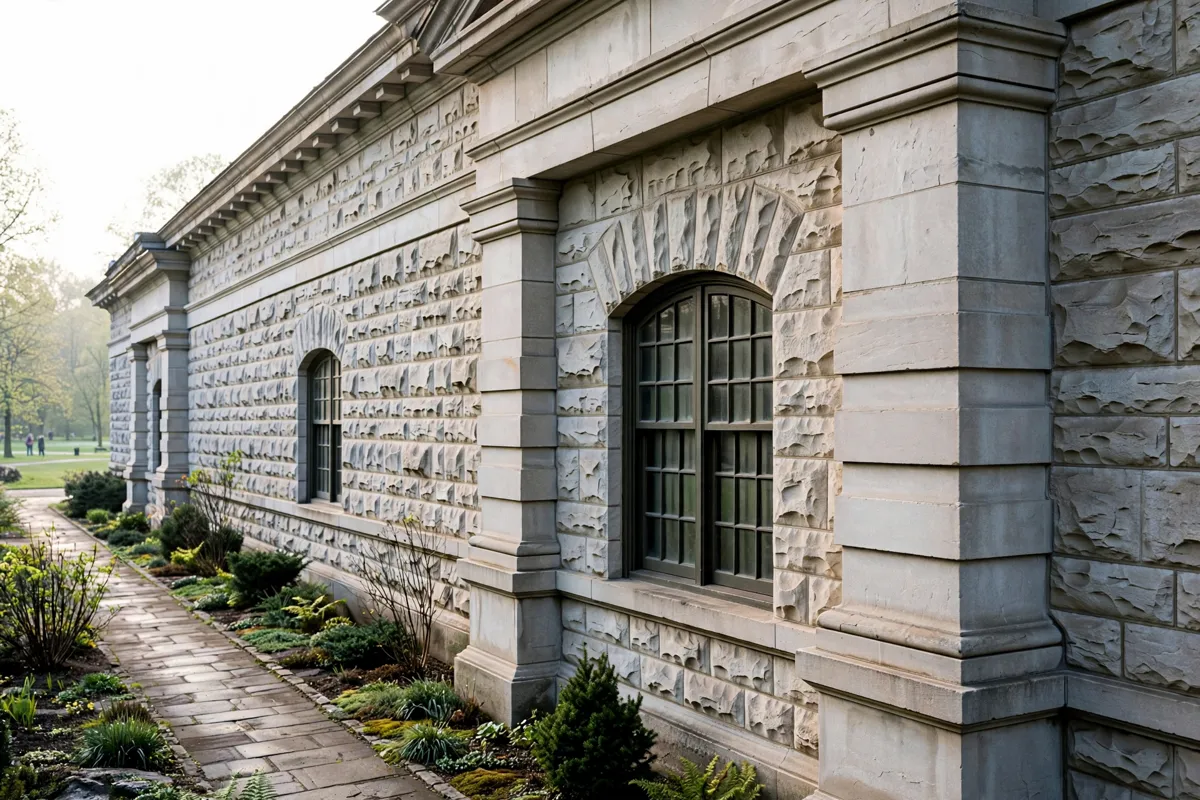
What remains at the Transformer House
The Transformer House is a 1½-story limestone building and the sole surviving structure of the Adams Power Plant. Its stone was quarried locally, and the National Register nomination describes a main block approximately 40 by 180 feet, with two small wings projecting from the southeast facade.
From outside, you can see stone pilasters, a heavy stone cornice and segmentally arched window surrounds. Parts of the building retain multipaned wood-sash windows. These details give the industrial structure a carefully composed exterior rather than the appearance of a purely utilitarian shed.
The building was added to the National Register of Historic Places in 1975. The National Register record identifies industry, engineering, literature and architecture as areas of significance. A City of Niagara Falls Historic Preservation Commission packet gives the address as 1501 Buffalo Avenue and identifies the site as a National Historic Landmark.
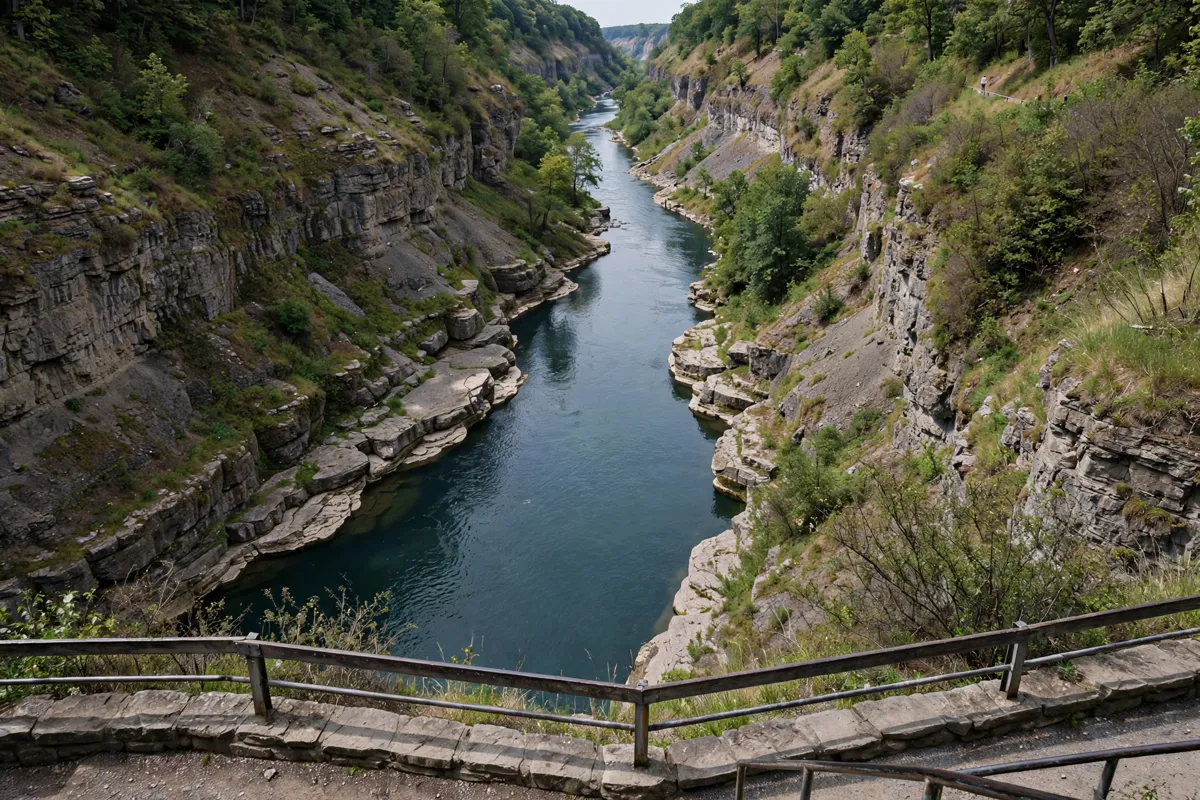
How the site connects to Niagara Falls history
The Transformer House tells one part of Niagara Falls history: the effort to harness the river’s power for industrial use. The story also includes the surrounding gorge, where a later power station met a dramatic end.
The Schoellkopf Power Station was built in three sections between 1905 and 1924. On June 7, 1956, water seepage preceded the collapse of its southern two-thirds into the Niagara River Gorge. Visitors can reach the site by elevator into the gorge and access a connected hiking trail.
For a different strand of local history, the American Falls viewpoints on the New York side put the landscape itself in view. That pairing helps place the industrial story within the river and falls that made hydroelectric power possible.
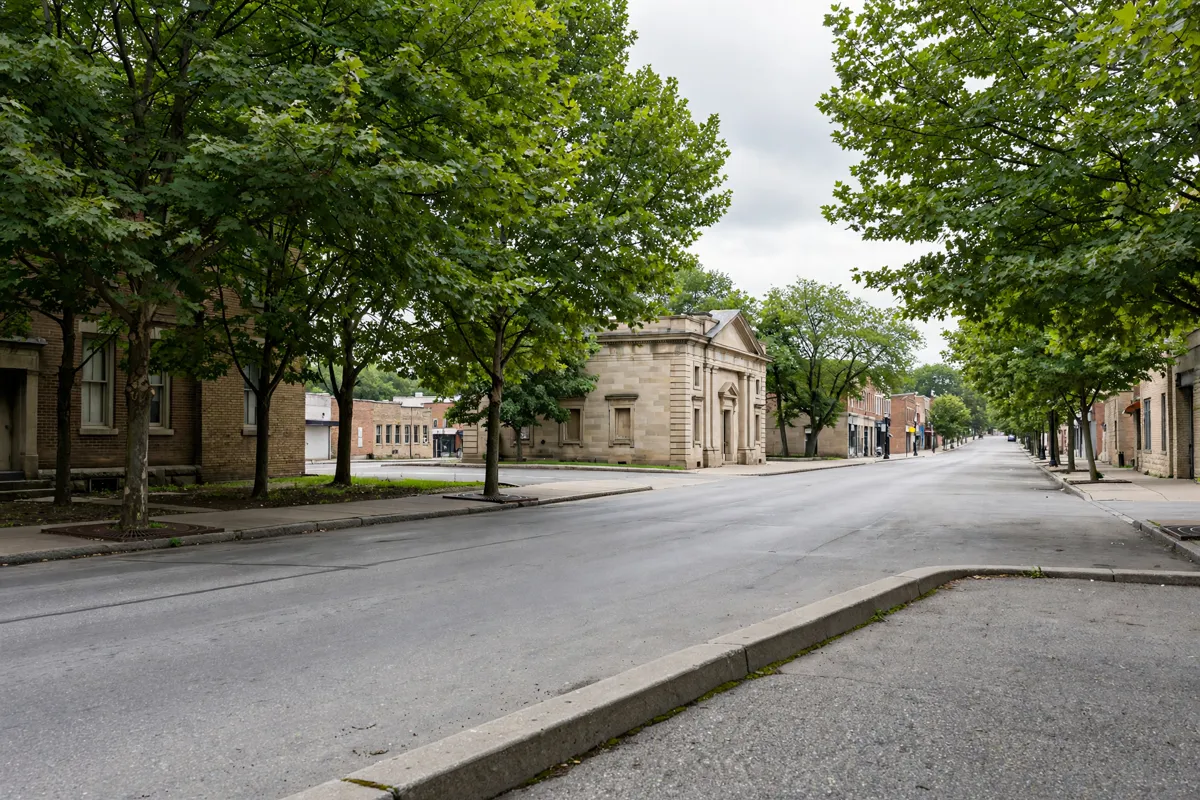
Visitor access and nearby heritage locations
The Niagara Falls Underground Railroad Heritage Center, at 825 Depot Avenue West, adds a human and social history perspective to a heritage outing. Most visits take about an hour.
Admission is $15 for adults, $12 for seniors age 62 and older, students age 13 and older and college students, $10 for youth ages 6–12, and free for children age 5 and under.
Summer hours run Tuesday through Sunday, 10 a.m.–5 p.m., with Monday closed and last entry at 4:30 p.m.; summer hours begin the first Tuesday in May. Freedom Conversation Tours are held at 11:30 a.m. and 2 p.m. on open days and are included with general admission.
Check the Niagara Falls Underground Railroad Heritage Center, Niagara Falls National Heritage Area and Old Fort Niagara official sites before you go for current access, schedules and prices.
The Heritage Center is also a stop on the Free Discover Niagara Shuttle, which runs from May through October. Limited free parking is shared with the Amtrak station. If you use the shuttle, you can pair the center with other stops on its route.
Planning a history-focused outing
Start with the Transformer House exterior, then add a stop that broadens the story rather than trying to cover every site at once.
The Underground Railroad Heritage Center is a practical companion for a visit focused on local history; you can allow about an hour there. If you include the Schoellkopf site, plan for elevator access into the gorge and the connected trail.
Old Fort Niagara in Youngstown offers another historical setting beyond the city. Its visitor center has introductory exhibits, an orientation video and original artifacts, including an 1812 garrison flag. Admission is $21 for adults and $13 for children age 12 and under; children age 5 and under enter free. Special-event admission may differ.
Old Fort Niagara’s hours vary by season: Wednesday through Sunday from January to March, daily from April through June, daily with later closing in July and August, daily through October 15, and Wednesday through Sunday from October 15 through December 31.
It opens daily December 26–31. Ticket sales end 30 minutes before closing; it closes on New Year’s Day, Thanksgiving Day and Christmas Day. You can check its official site for current details before planning your visit.
For another way to connect the city’s past with its landscape, you can combine a heritage stop with a view of the falls. The route from Aarya Hotel to Niagara Falls gives you another practical piece of the outing plan.
FAQs
Is the Adams Power Plant Transformer House the only surviving part of the plant?
Yes. The National Register nomination identifies it as the only surviving structure of the Adams Power Plant.
When did the Adams Power Plant first deliver power?
The plant first delivered power to the Pittsburgh Reduction Company on August 26, 1895.
When was the Transformer House added to the National Register?
It was added to the National Register of Historic Places in 1975.
What other historic sites can you combine with a visit?
The Schoellkopf Power Station site, the Niagara Falls Underground Railroad Heritage Center and Old Fort Niagara each add a different chapter to the area’s history.